pollydoodles:

idontgettechnology:

glynnisi:

bluandorange:

hey so you wanna write MCU pre-serum Steve Rogers

you should totally rewatch the first movie and pay close attention to what Steve’s face does. Or doesn’t do. Because Steve is not a puppy dog, Steve does not wear his heart on his sleeve, Steve is still and steady and tries so very hard not to be easy to read because Steve’s life is pain he cannot share for fear of having his personhood literally revoked. Steve is stand-offish. Steve sees that you’re angry with him and flatly makes light of what he’s doing that’s pissing you off. Steve will give one-word answers to shut you down. Steve doesn’t meet your eyes until he’s finished speaking. Steve rarely smiles and when he does, they’re rarely bright–they’re small and mostly in the crinkle of his eyes and god forbid you make him smile when you’re arguing with him because then they’re sharp and bitter just like his laughter. 

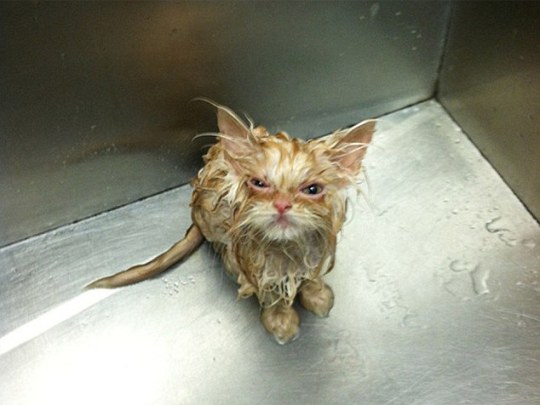
Steve Rogers starts fights. Steve Rogers lies to your face. Steve Rogers stands as straight as he can with his crooked spine because he refuses to let you assume he can’t. Steve Rogers is not a golden retriever, he is a sickly, pissy little cat who will bite the shit out of you for trying to pet him. 

have fun writing MCU pre-serum Steve Rogers.

Behold. Not a perfect soldier, but a good man.

You read this and you start to get the feeling that Bucky was friends with him in spite of Steve’s nature rather than because of it. Someone who really fucking battled to make that friendship happen.

ashermajestywishes:

First forget inspiration. Habit is more dependable. Habit will sustain you whether you’re inspired or not. Habit will help you finish and polish your work. Inspiration won’t. Habit is persistence in practice.

Forget talent. If you have it, fine. Use it. If you don’t have it, it doesn’t matter. As habit is more dependable than inspiration, continued learning is more dependable than talent. Never let pride or laziness prevent you from learning, improving your writing, changing its direction when necessary.

Persist.

— Octavia Butler, “Furor Scribendi”

Action Scenes

trashcanofobsessions:

A couple of people on Discord were complaining about writing action scenes, so I’ve compiled a list of some of my tips and tricks for writing them.

There are a few major key points of action scenes, and I’m going to discuss each in detail. There’s the feel of the scene, the flow of the scene, and the sight of the scene.

For starters, establish the feel of the scene. Is it a friendly spar between two students? Is it a desperate battle between archenemies? Is it two gods battling for dominance in the skies? The feel of the scene is very important to how you write it. 

A method I use for figuring out the feel of it, and thus how to write it, is humming a score for the scene as I play it out in my head. Is the soundtrack sad and slow, or epic and desperate, or angry and destructive? Try to write with that soundtrack in mind.

Another method is pretending you’re someone who fought in/witnessed that battle. How would you describe it to others? Is it a story to be told around a campfire as a legend, or a fairy tale told to kids, or a memory you wish you could forget? When telling the story, how does your voice sound? Does your volume rise and fall for maximum dramatic effect? Or are you simply recounting how your sparring buddy knocked you flat the other day? Is your voice sad and almost fearful, as if seeing what you saw felt like something was wrong with the world itself?

Next up, how does the scene flow?

For this one, I want you to remember grade school. Remember how they told you to use more transition words, such as “Then” and “Next” and “Finally”? Well, I’m telling you to drop all of them.

As a general rule, action scenes are meant to be, well, eventful and action-packed, usually fast-paced and heart-pounding. This means that sentences should be sharp and fast, one after the other, bam bam bam. In fact, I’ve prepared a quick little spar as an example, just for you.

I slice my sword down, a lethal blur of silver. Jytha swipes it out of the way with her clawed fingers. In that moment, I dart forward and swing upward. Leaning back to dodge my attack, she then lunges forward. I raise my blade just in time and block her sharp claws with metal. Out of nowhere, Jytha’s other hand slaps my sword right out of my grip. It clatters on the asphalt of the parking lot and dissolves into thin air. Before I have the chance to summon it into my hand, Jytha tackles me to the ground and pins me easily.

However, despite the lack of conventional transition words such as “Then” and “Next”, it still flows. How?

The use of these babies: “In that moment,” “Out of nowhere,” “Before I have the chance to”

These are examples of what I call action transitions. Used sparingly between sentences without them, they help break up the monotony of the rather passive sentence starters that action scenes tend to have. They help the scene flow like transition words, but they still feel fast-paced and exciting. However, overuse them, and they lose their meaning. For best results, I try to use them between sentences without them, in an a-b-a-b pattern.

Last, but certainly not least, we have the sight of the scene

EXTEND ACTIONS.

USE DESCRIBING WORDS.

More specifically, use them in the same sentence as the noun they apply to! One of my friends on Discord provided an exaggeratedly bad example of them trying to write an action scene, which I’m going to use here.

“He punched! It was powerful!”

Now, as I just said, this was written poorly on purpose. However, while it seems like the solution to fixing this would simply be combining the sentences, this is easier said than done.

He punched powerfully? Grammatically correct, but boring, especially for an ACTION scene, and it sounds … just kinda dumb.

This is where my previous statement, “EXTEND ACTIONS” comes into play. What did he do that made the punch powerful? Did he cock his arm back and leap forward with the punch? How exactly did he punch

Did he scream anime-style and slam his fist into the earth, cracking it in two?

So, extend the action. He didn’t just punch powerfully, he …

He reared back, curling his hand into a fist, and punched forward with his whole body.

Doesn’t that sound much better?

Now, back to describing words.

Action scenes are supposed to pull in the reader and throw them head-first into the chaos. Really, writing is all about throwing the reader head-first into something, but action scenes are a part that many people don’t describe as well as their other scenes.

I think this is because many people think that describing, well, the actions of the scene, is good enough. And while focusing on only the events can work in certain situations, a good rule of thumb is to describe the whole scene.

Are the characters getting hot and sweaty from fighting? Does the air smell like spilled blood? Do powerful attacks throw up huge clouds of dust that make the sky hazy and catch in your throat?

Describe what leads to the action, the action itself, and the consequences of the action. Describe how the actions make the characters feel both mentally and physically. Describe how they affect the environment.

I hope this helped! I spent wayyy longer on this than intended whoops! Remember that these are just some condensed tips, and are really only a beginning. They’re also not 100% applicable 100% of the time. EXPERIMENT WITH YOUR WRITING.

Have a great day, and may your action scenes endlessly improve!

When you feel like your work sucks.

dsudis:

I was going to reblog a whole bunch of things on this topic but then I thought I could do this more efficiently in a single post. So, links!

1. You have permission to make as much bad art as you need to and it will be okay. Seriously, it’s okay! It’s fine! YOU ARE NOT BEING GRADED. Make whatever you want, decide later who you’ll show it to. If it’s terrible it still taught you something or entertained you and more importantly, you still made some art. Now you can make some different art! Possibly also still terrible, but who cares? Make as much terrible art as you need to! For whatever value of “terrible” and “need” apply in your case! You do you!

2. If you are worrying about how people will receive it remember: more art = more cake. You are comparing your work to the work you admire most, but the person hungrily clicking through AO3 notifciations and tumblr tags is comparing your work to NOTHING TO READ. People want more stuff! And you are making stuff! Everybody wins!

3. “For the first couple years you make stuff, it’s just not that good. It’s trying to be good, it has potential, but it’s not. But your taste, the thing that got you into the game, is still killer. And your taste is why your work disappoints you. A lot of people never get past this phase, they quit.” As Ira Glass explains–again, you’re comparing your own work to the work you admire most. You have the critical eye to tell the difference, but you don’t know how to produce something better yet. Well, the only way out is through. You can quit make stuff and sit back and criticize other people, or you can just keep trying and failing and trying again and failing again and failing better.

4. “That still happens occasionally. It’s like, ‘Oh my god, nothing I’m drawing looks any good anymore. My life is over as an artist.’” Walt Simonson explains that not only does this thing Ira Glass described happen when you’re starting out, it happens over and over as you improve. You have to develop the eye for something better before you can learn to produce it–which means that over and over you may go through periods where your own work doesn’t meet your expectations, even if for a while there it did.

5. And this isn’t even a linear process toward some Ideal Perfect Best Writing/Arting Self, as T. S. Eliot describes…

Because one has only learnt to get the better of words 
For the thing one no longer has to say, or the way in which 
One is no longer disposed to say it.

Sure, you might know how to write or draw one particular thing really well–but as soon as you decide to try something new or different, you’re starting all over again. Probably you bring a lot of tools and techniques with you, but still, you’re in new territory. Change fandoms, pairings, styles, artistic focus, kinkmemes, whatever–you’ve got something to learn again, and it takes time to get there.

6. In Conclusion: Writing is about dealing with failure all the time.

7. But the only way to get anywhere is to show up and do the work.

lemonsharks:

beccaroo1996:

trueslytherinking:

aghostnotaguardian:

littlestsecret:

naity-sama:

Some words to use when writing things:

  • winking
  • clenching
  • pulsing
  • fluttering
  • contracting
  • twitching
  • sucking
  • quivering
  • pulsating
  • throbbing
  • beating
  • thumping
  • thudding
  • pounding
  • humming
  • palpitate
  • vibrate
  • grinding
  • crushing
  • hammering
  • lashing
  • knocking
  • driving
  • thrusting
  • pushing
  • force
  • injecting
  • filling
  • dilate
  • stretching
  • lingering
  • expanding
  • bouncing
  • reaming
  • elongate
  • enlarge
  • unfolding
  • yielding
  • sternly
  • firmly
  • tightly 
  • harshly
  • thoroughly
  • consistently
  • precision
  • accuracy
  • carefully
  • demanding
  • strictly
  • restriction
  • meticulously
  • scrupulously
  • rigorously
  • rim
  • edge
  • lip
  • circle
  • band
  • encircling
  • enclosing
  • surrounding
  • piercing
  • curl
  • lock
  • twist
  • coil
  • spiral
  • whorl
  • dip
  • wet
  • soak
  • madly
  • wildly
  • noisily
  • rowdily
  • rambunctiously
  • decadent
  • degenerate
  • immoral
  • indulgent
  • accept
  • take
  • invite
  • nook
  • indentation
  • niche
  • depression
  • indent
  • depress
  • delay
  • tossing
  • writhing
  • flailing
  • squirming
  • rolling
  • wriggling
  • wiggling
  • thrashing
  • struggling
  • grappling
  • striving
  • straining

Appetite – 

craving, demand, gluttony, greed, hunger, inclination, insatiable, longing, lust, passion, ravenousness, relish, taste, thirst, urge, voracity, weakness, willingness, yearning, ardor, dedication, desire, devotion, enthusiasm, excitement, fervor, horny, intensity, keenness, wholeheartedness, zeal

Arouse – 

agitate, awaken, electrify, enliven, excite, entice, foment, goad, incite, inflame, instigate, kindle, provoke, rally, rouse, spark, stimulate, stir, thrill, waken, warm, whet, attract, charm, coax, fire up, fuel, heat up, lure, produce, stir up, tantalize, tease, tempt, thrum, torment, wind up, work up

Assault – 

attack, advancing, aggressive, assailing, charging, incursion, inundated, invasion, offensive, onset, onslaught, overwhelmed, ruinous, tempestuous, strike, violation, ambush, assail, barrage, bombard, bombardment, crackdown, wound

Beautiful – 

admirable, alluring, angelic, appealing, bewitching, charming, dazzling, delicate, delightful, divine, elegant, enticing, exquisite, fascinating, gorgeous, graceful, grand, magnificent, marvelous, pleasing, radiant, ravishing, resplendent, splendid, stunning, sublime, attractive, beguiling, captivating, enchanting, engaging, enthralling, eye-catching, fetching, fine, fine-looking, good-looking, handsome, inviting, lovely, mesmeric, mesmerizing, pretty, rakish, refined, striking, tantalizing, tempting

Brutal – 

atrocious, barbarous, bloodthirsty, callous, cruel, feral, ferocious, hard, harsh, heartless, inhuman, merciless, murderous, pitiless, remorseless, rough, rude, ruthless, savage, severe, terrible, unmerciful, vicious, bestial, brute, brutish, cold-blooded, fierce, gory, nasty, rancorous, sadistic, uncompromising, unfeeling, unforgiving, unpitying, violent, wild

Burly –

able-bodied, athletic, beefy, big, brawny, broad-shouldered, bulky, dense, enormous, great, hard, hardy, hearty, heavily built, heavy, hefty, huge, husky, immense, large, massive, muscular, mighty, outsized, oversized, powerful, powerfully built, prodigious, robust, solid, stalwart, stocky, stout, strapping, strong, strongly built, sturdy, thick, thickset, tough, well-built, well-developed

Carnal – 

animalistic, bodily, impure, lascivious, lecherous, lewd, libidinous, licentious, lustful, physical, prurient, salacious, sensuous, voluptuous, vulgar, wanton, , coarse, crude, dirty, raunchy, rough, unclean

Dangerous – 

alarming, critical, fatal, formidable, impending, malignant, menacing, mortal, nasty, perilous, precarious, pressing, serious, terrible, threatening, treacherous, urgent, vulnerable, wicked, acute, damaging, deadly, death-defying, deathly, destructive, detrimental, explosive, grave, harmful, hazardous, injurious, lethal, life-threatening, noxious, poisonous, risky, severe, terrifying, toxic, unsafe, unstable, venomous

Dark – 

atrocious, corrupt, forbidding, foul, infernal, midnight, morbid, ominous, sinful, sinister, somber, threatening, twilight, vile, wicked, abject, alarming, appalling, baleful, bizarre, bleak, bloodcurdling, boding evil, chilling, cold, condemned, creepy, damned, daunting, demented, desolate, dire, dismal, disturbing, doomed, dour, dread, dreary, dusk, eerie, fear, fearsome, frightening, ghastly, ghostly, ghoulish, gloom, gloomy, grave, grim, grisly, gruesome, hair-raising, haunted, hideous, hopeless, horrendous, horrible, horrid, horrific, horrifying, horror, ill-fated, ill-omened, ill-starred, inauspicious, inhospitable, looming, lost, macabre, malice, malignant, menacing, murky, mysterious, night, panic, pessimistic, petrifying, scary, shadows, shadowy, shade, shady, shocking, soul-destroying, sour, spine-chilling, spine-tingling, strange, terrifying, uncanny, unearthly, unlucky, unnatural, unnerving, weird, wretched

Delicious –

enticing, exquisite, luscious, lush, rich, savory, sweet, tasty, tempting, appetizing, delectable, flavorsome, full of flavor, juicy, lip-smacking, mouth-watering, piquant, relish, ripe, salty, spicy, scrummy, scrumptious, succulent, tangy, tart, tasty, yummy, zesty

Ecstasy – 

delectation, delirium, elation, euphoria, fervor, frenzy, joy, rapture, transport, bliss, excitement, happiness, heaven, high, paradise, rhapsody, thrill, blissful, delighted, elated, extremely happy, in raptures (of delight), in seventh heaven, jubilant, on cloud nine, overexcited, overjoyed, rapturous, thrilled

Ecstatic – 

delirious, enraptured, euphoric, fervent, frenzied, joyous, transported, wild

Erotic – 

amatory, amorous, aphrodisiac, carnal, earthy, erogenous, fervid, filthy, hot, impassioned, lascivious, lecherous, lewd, raw, romantic, rousing, salacious, seductive, sensual, sexual, spicy, steamy, stimulating, suggestive, titillating, voluptuous, tantalizing

Gasp – 

catch of breath, choke, gulp, heave, inhale, pant, puff, snort, wheeze, huff, rasp, sharp intake of air, short of breath, struggle for breath, swallow, winded 

Heated –

ardent, avid, excited, fervent, fervid, fierce, fiery, frenzied, furious, impassioned, intense, passionate, raging, scalding, scorched, stormy, tempestuous, vehement, violent, ablaze, aflame, all-consuming, blazing, blistering, burning, crazed, explosive, febrile, feverish, fired up, flaming, flushed, frantic, hot, hot-blooded, impatient, incensed, maddening, obsessed, possessed, randy, searing, sizzling, smoldering, sweltering, torrid, turbulent, volatile, worked up, zealous

Hunger – 

appetite, ache, craving, gluttony, greed, longing, lust, mania, mouth-watering, ravenous, voracious, want, yearning, thirst

Hungry – 

avid, carnivorous, covetous, craving, eager, greedy, hungered, rapacious, ravenous, starved, unsatisfied, voracious, avaricious, desirous, famished, grasping, insatiable, keen, longing, predatory, ravening, starving, thirsty, wanting

Intense – 

forceful, severe, passionate, acute, agonizing, ardent, anxious, biting, bitter, burning, close, consuming, cutting, deep, eager, earnest, excessive, exquisite, extreme, fervent, fervid, fierce, forcible, great, harsh, impassioned, keen, marked, piercing, powerful, profound, severe, sharp, strong, vehement, violent, vivid, vigorous

Liquid – 

damp, cream, creamy, dripping, ichorous, juicy, moist, luscious, melted, moist, pulpy, sappy, soaking, solvent, sopping, succulent, viscous, wet / aqueous, broth, elixir, extract, flux, juice, liquor, nectar, sap, sauce, secretion, solution, vitae, awash, moisture, boggy, dewy, drenched, drip, drop, droplet, drowning, flood, flooded, flowing, fountain, jewel, leaky, milky, overflowing, saturated, slick, slippery, soaked, sodden, soggy, stream, swamp, tear, teardrop, torrent, waterlogged, watery, weeping

Lithe –

agile, lean, pliant, slight, spare, sinewy, slender, supple, deft, fit, flexible, lanky, leggy, limber, lissom, lissome, nimble, sinuous, skinny, sleek, slender, slim, svelte, trim, thin, willowy, wiry

Moan –

beef, cry, gripe, grouse, grumble, lament, lamentation, plaint, sob, wail, whine, bemoan, bewail, carp, deplore, grieve, gripe, grouse, grumble, keen, lament, sigh, sob, wail, whine, mewl

Moving – 

(exciting,) affecting, effective  arousing, awakening, breathless, dynamic, eloquent, emotional, emotive, expressive, fecund, far-out, felt in gut, grabbed by, gripping, heartbreaking, heartrending, impelling, impressive, inspirational, meaningful, mind-bending, mind-blowing, motivating, persuasive, poignant, propelling, provoking, quickening, rallying, rousing, significant, stimulating, simulative, stirring, stunning, touching, awe-inspiring, energizing, exhilarating, fascinating, heart pounding, heart stopping, inspiring, riveting, thrilling

Need – 

compulsion, demand, desperate, devoir, extremity, impatient longing, must, urge, urgency / desire, appetite, avid, burn, craving, eagerness, fascination, greed, hunger, insatiable, longing, lust, taste, thirst, voracious, want, yearning, ache, addiction, aspiration, desire, fever, fixation, hankering, hope, impulse, inclination, infatuation, itch, obsession, passion, pining, wish, yen

Pain – 

ache, afflict, affliction, agony, agonize, anguish, bite, burn, chafe, distress, fever, grief, hurt, inflame, laceration, misery, pang, punish, sting, suffering, tenderness, throb, throe, torment, torture, smart

Painful – 

aching, agonizing, arduous, awful, biting, burning, caustic, dire, distressing, dreadful, excruciating, extreme, grievous, inflamed, piercing, raw, sensitive, severe, sharp, tender, terrible, throbbing, tormenting, angry, bleeding, bloody, bruised, cutting, hurting, injured, irritated, prickly, skinned, smarting, sore, stinging, unbearable, uncomfortable, upsetting, wounded

Perverted – 

aberrant, abnormal, corrupt, debased, debauched, defiling, depraved, deviant, monstrous, tainted, twisted, vicious, warped, wicked, abhorrent, base, decadent, degenerate, degrading, dirty, disgusting, dissipated, dissolute, distasteful, hedonistic, immodest, immoral, indecent, indulgent, licentious, nasty, profligate, repellent, repugnant, repulsive, revolting, shameful, shameless, sickening, sinful, smutty, sordid, unscrupulous, vile 

Pleasurable – 

charming, gratifying, luscious, satisfying, savory, agreeable, delicious, delightful, enjoyable, nice, pleasant, pleasing, soothing, succulent

Pleasure – 

bliss, delight, gluttony, gratification, relish, satisfaction, thrill, adventure, amusement, buzz, contentment, delight, desire, ecstasy, enjoyment, excitement, fun, happiness, harmony, heaven, joy, kick, liking, paradise, seventh heaven 

Rapacious- 

avaricious, ferocious, furious, greedy, predatory, ravening, ravenous, savage, voracious, aggressive, gluttonous, grasping, insatiable, marauding, plundering

Rapture – 

bliss, ecstasy, elation, exaltation, glory, gratification, passion, pleasure, floating, unbridled joy

Rigid – 

adamant, austere, definite, determined, exact, firm, hard, rigorous, solid, stern, uncompromising, unrelenting, unyielding, concrete, fixed, harsh, immovable, inflexible, obstinate, resolute, resolved, severe, steadfast, steady, stiff, strong, strict, stubborn, taut, tense, tight, tough, unbending, unchangeable, unwavering

Sudden – 

abrupt, accelerated, acute, fast, flashing, fleeting, hasty, headlong, hurried, immediate, impetuous, impulsive, quick, quickening, rapid, rash, rushing, swift, brash, brisk, brusque, instant, instantaneous, out of the blue, reckless, rushed, sharp, spontaneous, urgent, without warning

Thrust – 

(forward) advance, drive, forge, impetus, impulsion, lunge, momentum, onslaught, poke, pressure, prod, propulsion, punch, push, shove, power, proceed, progress, propel

(push hard) assail, assault, attack, bear down, buck, drive, force, heave, impale, impel, jab, lunge, plunge, press, pound, prod, ram, shove, stab, transfix, urge, bang, burrow, cram, gouge, jam, pierce, punch, slam, spear, spike, stick

Thunder-struck –

amazed, astonished, aghast, astounded, awestruck, confounded, dazed, dazed, dismayed, overwhelmed, shocked, staggered, startled, stunned, gob-smacked, bewildered, dumbfounded, flabbergasted, horrified, incredulous, surprised, taken aback 

Torment –

agony, anguish, hurt, misery, pain, punishment, suffering, afflict, angst, conflict, distress, grief, heartache, misfortune, nightmare, persecute, plague, sorrow, strife, tease, test, trial, tribulation, torture, turmoil, vex, woe

Touch – 

(physical) – blow, brush, caress, collide, come together, contact, converge, crash, cuddle, embrace, feel, feel up, finger, fondle, frisk, glance, glide, graze, grope, handle, hit, hug, impact, join, junction, kiss, lick, line, manipulate, march, massage, meet, nudge, palm, partake, pat, paw, peck, pet, pinch, probe, push, reach, rub, scratch, skim, slide, smooth, strike, stroke, suck, sweep, tag, tap, taste, thumb, tickle, tip, touching, toy, bite, bump, burrow, buss, bury, circle, claw, clean, clutch, cover, creep, crush, cup, curl, delve, dig, drag, draw, ease, edge, fiddle with, flick, flit, fumble, grind, grip, grub, hold, huddle, knead, lap, lave, lay a hand on, maneuver, manhandle, mash, mold, muzzle, neck, nestle, nibble, nip, nuzzle, outline, play, polish, press, pull, rasp, ravish, ream, rim, run, scoop, scrabble, scrape, scrub, shave, shift, shunt, skate, slip, slither, smack, snake, snuggle, soothe, spank, splay, spread, squeeze, stretch, swipe, tangle, tease, thump, tongue, trace, trail, tunnel twiddle, twirl, twist, tug, work, wrap 

(mental) – communicate, examine, inspect, perception, scrutinize

Wet –

bathe, bleed, burst, cascade, course, cover, cream, damp, dampen, deluge, dip, douse, drench, dribble, drip, drizzle, drool, drop, drown, dunk, erupt, flood, flow, gush, immerse, issue, jet, leach, leak, moisten, ooze, overflow, permeate, plunge, pour, rain, rinse, run, salivate, saturate, secrete, seep, shower, shoot, slaver, slobber, slop, slosh, sluice, spill, soak, souse, spew, spit, splash, splatter, spout, spray, sprinkle, spurt, squirt, steep, stream, submerge, surge, swab, swamp, swill, swim, trickle, wash, water

Wicked – 

abominable, amoral, atrocious, awful, base, barbarous, dangerous, debased, depraved, distressing, dreadful, evil, fearful, fiendish, fierce, foul, heartless, hazardous, heinous, immoral, indecent, intense, mean, nasty, naughty, nefarious, offensive, profane, scandalous, severe, shameful, shameless, sinful, terrible, unholy, vicious, vile, villainous, wayward, bad, criminal, cruel, deplorable, despicable, devious, ill-intentioned, impious, impish, iniquitous, irreverent, loathsome, Machiavellian, mad, malevolent, malicious, merciless, mischievous, monstrous, perverse, ruthless, spiteful, uncaring, unkind, unscrupulous, vindictive, virulent, wretched

Writhe – 

agonize, bend, jerk, recoil, lurch, plunge, slither, squirm, struggle, suffer, thrash, thresh, twist, wiggle, wriggle, angle, arc, bow, buck, coil, contort, convulse, curl, curve, fidget, fight, flex, go into spasm, grind, heave, jiggle, jolt, kick, rear, reel, ripple, resist, roll, lash, lash out, screw up, shake, shift, slide, spasm, stir, strain, stretch, surge, swell, swivel, thrust, turn violently, tussle, twitch, undulate, warp, worm, wrench, wrestle, yank 

//MY BROTHERS AND SISTERS – HERE IS THE ANSWER TO THE PROBLEM OF FINDING THAT RIGHT WORD!!!!!

THIS

Always reblogging bibliophile porn

Hnnnngh

Publishing for Fun and Profit

breannacarroll:

So there was a list going around tumblr for a while that made it to my dash of literary journals that accept open submissions (and will pay!), but upon inspection about half of them were closed indefinitely, and I found quite a few other places that looked interesting through further research, so I wanted to post my own list. 

I tried to focus on things that paid professional grade (at least 6 cents per word), were friendly to speculative fiction, and specifically encouraged diversity and writing about marginalized groups.

(Please note that as of right now I have never submitted or been published with any of these, so if anyone has experience with them, good or bad, please feel free to message or reblog this with your experiences.)

Speculative Fiction

  • Strange Horizons — Speculative fiction (broadly defined) with an emphasis on diversity, unusual styles, and stories that address politics in nuanced ways. 8c per word. Up to 10,000 words, under 5,000 preferred. Responds within 40 days. LGBT+ positive.
  • Fantasy & Science Fiction Magazine — Sci-fi, fantasy, horror, etc. 7-12c per word. Up to 25,000 words. No response times listed.
  • Asimov’s Science Fiction — Primarily sci-fi but accepts fantasy and surreal fiction, but no high fantasy/sword and sorcery. Prefers writing that is character driven. 8-10c per word. 1,000-20,000 words. Responds in about five weeks.
  • Evil Girlfriend Media — Horror and urban fantasy centered on female empowerment and defying gender stereotypes. $100 flat payment. 4,000-7,000 words. No response times given. LGBT+ friendly.
  • Beneath Ceaseless Skies — Fantasy with a focus on secondary worlds and characters. 6c per word. Up to 10,000 words. Average response time 2-4 weeks.
  • Fantastic Stories — Speculative fiction with an emphasis on diversity and literary style. 15c per word. Up to 3,000 words. Responds within two weeks. LGBT+ positive.
  • Fiction Vortex — Serialized fantasy and speculative fiction. $300 for featured stories, $50 otherwise. 3,500 words or less. No response times given.
  • Shimmer — Speculative fiction with an emphasis on diversity, strong plots, vivid characters, and beautiful writing. 5c per word. 7,500 words or less (will consider longer words with query letter). Usually responds within two weeks. LGBT+ positive.
  • Clarkesworld Magazine — Sci-fi, fantasy, and other speculative fiction. 10c per word up to 5,000 words, 8c per word after. 1,000-16,000 words. Responds within days usually, gives a tracking number.
  • Apex Magazine — Speculative fiction of all kinds. 6c per word, +1c per word for podcast stories. Up to 7,500 words, all submissions over will be auto-rejected. Responds within 30 days.
  • Heliotrope Magazine — Speculative fiction of all kinds. 10c per word. Up to 5,000 words. Responds within 30 days.
  • Lightspeed Magazine — Speculative fiction of all kinds, with creativity and originality in terms of style and format encouraged. 8c per word. 1,500-10,000 words, under 5,000 preferred. LGBT+ positive. Submissions temporarily closed for their main magazine but is accepting for their People of Color Destroy Science Fiction special.

General Fiction

  • The Sun Magazine — General fiction, likes personal writing or writing of a cultural/political significance. $300-$1500 flat payment  and a one year subscription to the magazine for fiction (also accepts essays and poetry). No minimum or maximum lengths but over 7,000 words discouraged. Responds in 3-6 months. Physical submissions only.
  • One Story — Any and all varieties of fiction, “unique and interesting” stories encouraged. $500 payment plus 25 contributor copies. 3,000-8,000 words. Usually responds in 2-3 months.
  • Camera Obscura — General fiction. $1000 for featured story, $50 for “Bridge the Gap” award, no payment for other contributors. 250-8,000 words. Response time vary, running just over two months as of now.

Flash Fiction 

  • Daily Science Fiction — Speculative flash fiction (including sci-fi, fantasy, slipstream, etc.). 8c per word. Up to 1,500 words, but shorter stories given priority. Response times not listed.
  • Vestral Review — General flash fiction. 3-10c per word depending on length to a max of $25. Up to 500 words. Response within four months.
  • Flash Fiction Online — General flash fiction. $60 flat payment. 500-1,000 words. Response times not listed.

Novels/Novella

  • Riptide Publishing — Any LGBTQ manuscripts between 15,000 and 150,000 words. Currently especially interested in lesbian romances, trans stories, asexual/aromantic stories, romances with a happy ending, and genre fiction such as urban fantasy. Also has a YA branch.  LGBT+ positive.
  • Crimson Romance — Romance stories of all kinds, currently seeking LGBT+ stories with a focus on emotional connections and relationships, especially m/m romance. Novel (55,000-90,000 words) or novella (20,000-50,000 words) length.  LGBT+ positive.

Kindle Direct Publishing 

  • Kindle Direct Publishing — Allows you to set your own prices, create your own cover art, and make royalties off of each sell. Any and all genres are welcome and if you’re prolific and smart about how you’re publishing you can make pretty good money.
  • General Guide to Kindle Publishing — Gives a good rundown of the publishing process on Kindle.
  • 101 Guide to Kindle Erotica — Great guide with lots of resources about how to make money publishing erotica on Kindle.   

Publishing Comics/Graphic Novels

  • Here is a list of potential comic companies and what kind of open submissions they accept.  
  • Here is a list of literary agents who accept graphic novels. 

“most people talking about the technical structure of romance refer to it as a black moment but i did an online course that called it the POINT OF RITUAL DEATH and that’s just so satisfyingly dramatic” ELABORATE PLEASE

dsudis:

Okay so, the defining trait that makes a romance a romance (in terms of the modern book genre, at least) is: IT ENDS HAPPILY. That was lesson one of the online course.

Lesson two was about the “8 essential elements” which sort of comprise a standard outline although obviously these can be played with a lot and good execution makes you largely not notice that you know this pattern, etc. But generally a well-structured romance will do all of these things, and they all significantly contribute to making the story satisfying.

Anyway, the eight elements according to the online course are:

1. Society defined (with some problem or conflict created for the
characters by their society/situation–like maybe someone needs to get married or is closeted, or maybe eight people are becoming sensates at the moment that the person who could normally guide them in that process is dying and also they are all being hunted by a creepy government agency.)

2. The meeting

3. The barrier/conflict

4. The attraction and romantic/sexual tension

5. The declaration (“I love yous” and also stating commitment to each other)

6.
THE POINT OF RITUAL DEATH (the point when hope seems lost, when it seems like things
might not work out, possibly literal danger of death but often the part where they break up before getting back together.)

7. The recognition (where main characters individually realize that they are past the obstacle keeping them apart and
now they can be together–whether that’s an external obstacle or their own internal problems)

8. The betrothal (where they reconnect/recommit)

Plus 3 optional points:

1. The wedding/dance/fete, in which we see that all is now right with the world and the relationship is celebrated.

2. The scapegoat exiled (possibly, you know, from mortal life.)

3.
The bad converted (where people who may have stood in the way now
realize that the main characters belong together and are folded into the
family/team/community.)

So anyway, when romance writers talk about structuring a book, very often the central thing they talk about–because it’s usually a fulcrum for both the external plot and the characters’ emotional arcs, and also because it’s generally where the big obvious climax is happening–is the Black Moment, or Big Black Moment. I have never heard anyone call it the POINT OF RITUAL DEATH because who on earth would say that out loud with a straight face, but it’s bonkers and I love it.

Meta Master Post

hansbekhart:

hansbekhart:

The How to Brooklyn Series – Resources and meta for writing pre-war and modern stories set in Brooklyn

Steve’s Shitty Rear Tenement 

Is having your front door opening to a vacant? lot? a normal thing? because there’s not much street going on during the “end of the line” scene. 

Pt 1 – The Basics of New York City, or What the Hell Are Boroughs?

Yes, there were docks. (Sigh.)

Pt 2 – For the lov’a Pete, Put the Subway in Your Stories

 A story set in New York City that doesn’t even reference the subway might as well be set in middle America.

Pt 2.1 – The New York City Subway is Fucking Gross

Seriously though, can you imagine how those cushions smelled?

Pt 2.2 – The Brooklyn Trolley System

This one doesn’t even hit my historical boner, it hits my I’d love to be able to travel between Queens and Brooklyn without three train changes and two pack mules boner. 

Pt 3 – The Ubiquitous Tenement Apartment 

Although we associated the word tenement with shitty slum life, back in the day this just what people called apartments. 

Pt 4 – What’s the Deal with the Brooklyn Dodgers?

All right, so we all know how no recently frozen Steve Rogers is complete without shocked references to How Expensive Things Are, What the Fuck Is This Banana, and The Dodgers Moved to Los Angeles?!    

So the first thing you gotta understand first is that baseball was invented in Brooklyn.

Pt 5 – Steve & Bucky’s Jobs before The War

Almost definitely not working down at the docks, sorry.

Pt 6 – What did they do for Fun, Other than Dancing?

Hah, I’m a terrible person; my first instinct is to say, they got drunk.  Am I projecting?  Maybe.  Drinking’s a competitive sport here.  Anyway, I really like this question, this is a good question.  So, are we talking what they did as kids, or what they did as grownups?  Let’s do both!  I like both.

Pt 7 – Modern AU Headcanons (Steve, Bucky, Sam)

There’s not one way to experience this borough or city, and if I ever claim there’s a right way to “Brooklyn” then please punch me in the face immediately. So what I want to do instead is give you some options!  Let’s base them off of fandom tropes, shall we?

Misc. Posts & Meta

What I do with All this Damn Research: My AO3.

The Brooklyn Accent

Getting to the World Stark Fair by Subway

Mr Rogers Gayborhood/99% Docks

Steve Rogers & Modern Art

The Saga of Cute Twink Bucky

Is it realistic for Bucky to have been a Sergeant? 

Bucky Barnes Makes Weird Faces

Further Resources

How Expensive Was That? by @a-social-construct

Brooklyn Historical Resources by @a-social-construct

1940s Census Data by @a-social-construct (individual data)

1940s Census Data by @a-social-construct (by neighborhood)

NYC Historical Subway Maps

1940s New York

Tenement Photos – 1930-1939

New York Transformed – NYCHA Photos 1939-1967

1940s LIFE Magazine Archive

World War II Writing Resources

Historical Newspapers via @fidelioscabinet

Follow for more, or track my tags: Historical New York, The City So Nice They Named It Twice, How to Brooklyn.  This post will be updated periodically with additional meta, commentary, and resources.  HTB posts will be general topics only to save my sanity, but I’m happy to answer more specific questions privately or in a less sprawling format.  If you’d like me to reply to an ask privately, please say so.

Comments, questions, requests?  Let me know!

Now that we’ve officially got Cap3 release in the US, reblogging for new fandom friends!

Wait how old are Steve and Bucky biologically?

stephrc79:

Well, let’s see. Okay, so as we know, Bucky was born in 1917 and Steve was born in 1918. So, chronologically, Bucky just turned 100 this year, and Steve will turn 100 next year.

image

But biologically, thats a different story.

Steve went into the ice in 1945, shortly after Bucky fell, and Bucky fell right before his birthday that year. 

image

So, with that in mind, that means when Steve and Bucky died the first time, Bucky was 27, with Steve being 26. 

Steve was found in 2011, 66 years after he went in the ice, and thus resumed bioligcal aging. 

image

With that in mind, as of right now, he would be about 32.

(I say about 32, because if you go off the date he was found, and resume from there, he may be biologically younger by a few months, if he was found after his birthday.)

Bucky, though, is another story. We have no idea how long he was left in cryo each time, or how long he was out for. 

image

So, with that in mind, he could be a couple extra years older than Steve, or even a couple decades. But, scientifically, since they both age at an extremely slow rate, it probably doesn’t make as much of a difference.
Hope that helps!